
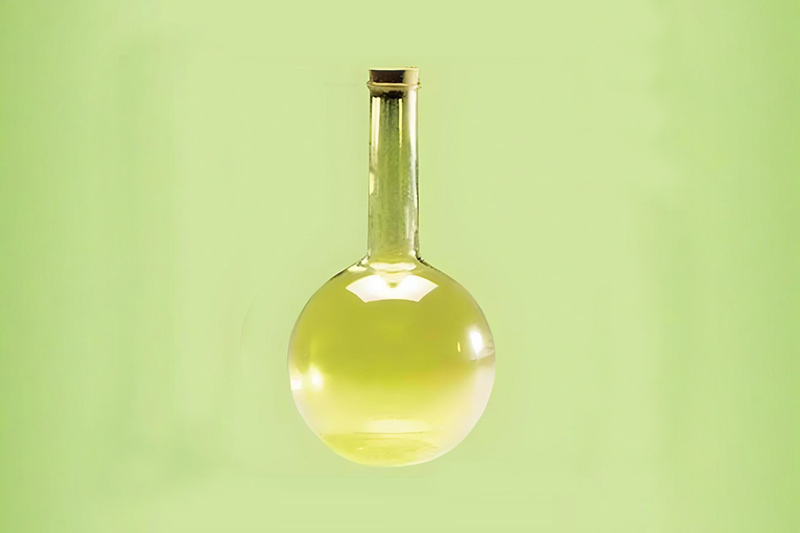
Liquid Chlorine
- Category:Chlor-Alkali Chemicals
-
Product Usage:Liquid chlorine is mainly used for water treatment disinfection,chemical productin,pesticide manufacturing,bleach manufacturing. pharmaceutical intermediates,metallurgy.petroleum processing etc.
product details :
Cl2
| Serial Number | Testing Items | Premium Grade | Qualified Product |
1 | Chlorine Purity (Cl₂)%≥ | 99.8 | 99.6 |
2 | (Moisture)(H₂O)%≤ | 0.005 | 0.005 |
3 | Nitrogen Trichloride(NCl₃)%≤ | 0.002 | 0.003 |
4 | Mass Fraction of Evaporation Residue %≤ | As requested by the userr | As requested by the user |
Yellow green transparent liquid (liquefied at room temperature and high pressure), with a strong pungent odor, highly toxic (can be fatal by inhalation or contact), strong oxidizing, reacts with water to produce hydrochloric acid (HCl) and hypochlorous acid (HClO). Contact with combustibles, reducing agents, and organic substances (such as oils and fats) may cause explosions or violent reactions; Mixing with ammonia substances generates explosive nitrogen trichloride (NCl3). To avoid long-term high-temperature storage, it is recommended to maintain a temperature of ≤ 30 ℃.
Store in a cool and ventilated dedicated warehouse, away from sources of fire, heat, and direct sunlight. It is recommended to store at ≤ 30 ℃ to avoid high temperatures causing pressure to rise. Strictly store in separate areas with combustibles, reducing agents, ammonia, and organic matter, keep dry, avoid contact with water, and prevent the formation of hydrochloric acid and hypochlorous acid.